

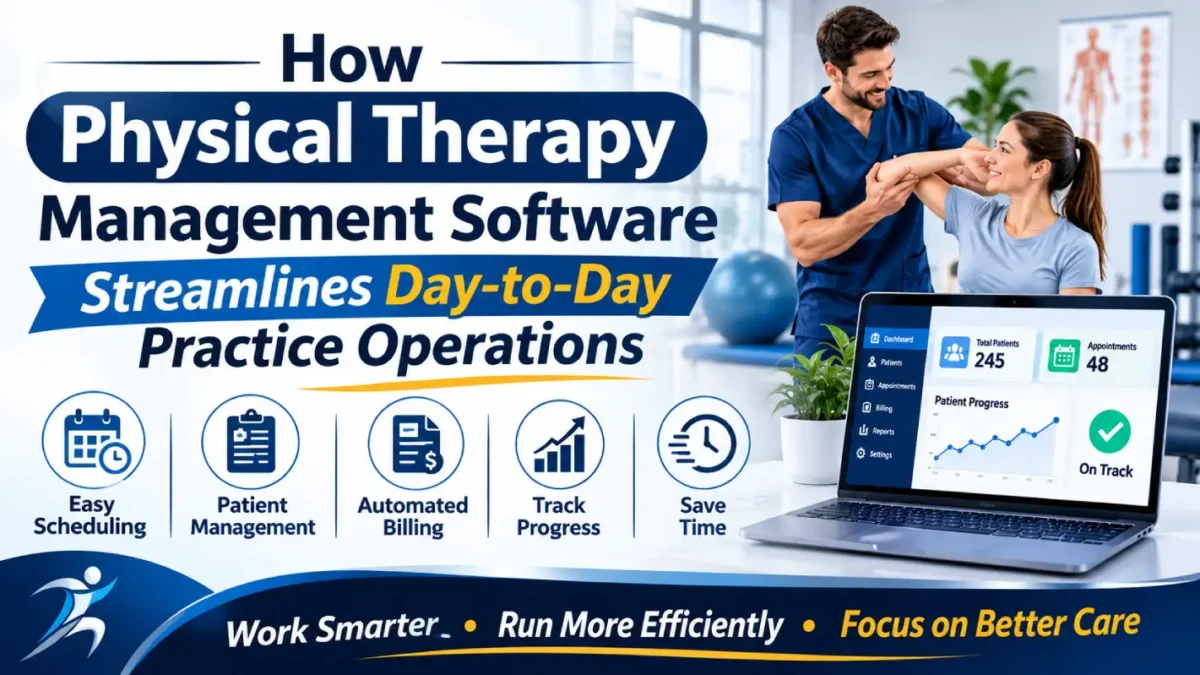
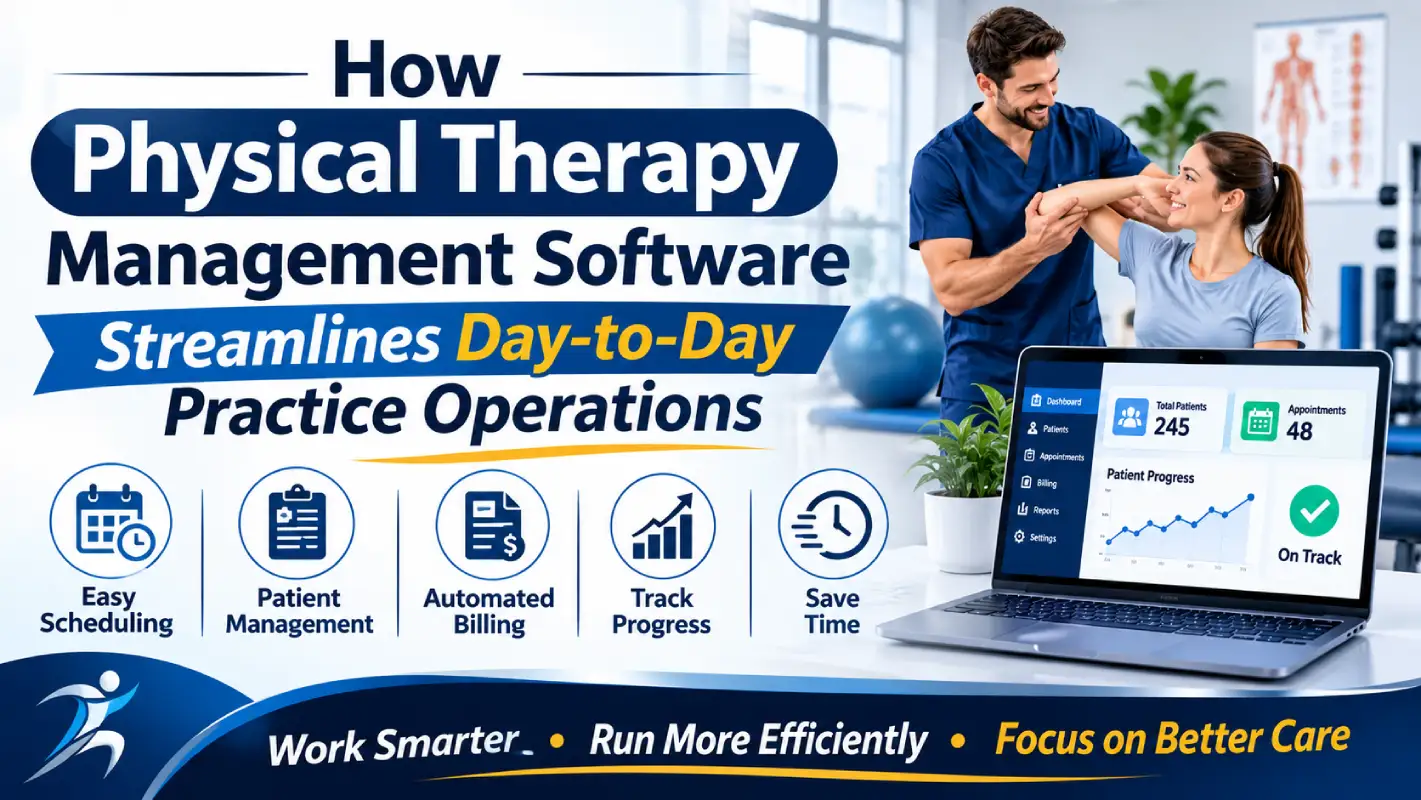
Physical therapy practices face mounting pressures to deliver quality care while managing complex administrative demands. From coordinating packed schedules to processing insurance claims and maintaining accurate clinical records, manual workflows consume valuable time that could be spent with patients. Modern management software addresses these operational bottlenecks through automated systems that handle routine tasks efficiently. Understanding how these digital tools transform daily practice operations reveals why many clinics consider them essential for sustainable growth and improved patient outcomes.
Table of Contents
Simplifying Daily Administrative Tasks in Busy Physical Therapy Practices
Managing a physical therapy practice involves juggling numerous administrative responsibilities that consume valuable time and resources. Physical therapy management software automates routine tasks such as appointment scheduling, patient registration, and insurance verification, reducing manual workload considerably.
Staff members can process patient intake forms digitally, eliminating paper-based systems and minimizing data entry errors. The software streamlines billing procedures by automatically generating claims and tracking payments, ensuring accurate revenue cycle management.
Automated appointment reminders via text or email decrease no-show rates while freeing staff from making confirmation calls. Documentation workflows become more efficient as therapists access templates and previous treatment notes instantly.
Inventory management features track supplies and equipment, triggering reorder alerts when stock runs low. These automated processes allow administrative teams to focus on patient care rather than time-consuming paperwork.
Using Physical Therapy Management Software to Centralize Practice Operations
Multiple software systems operating independently create data silos that fragment practice operations and complicate decision-making. Physical therapy management software eliminates this inefficiency by consolidating scheduling, billing, documentation, and patient communication into one platform. Practitioners access thorough patient histories, treatment plans, and financial records from a single dashboard, reducing time spent maneuvering between systems.
Centralized operations enable real-time data synchronization across departments. When front desk staff schedule appointments, therapists immediately see updated calendars. Completed sessions automatically trigger billing processes, eliminating manual data transfer errors. This integration streamlines workflows and improves accuracy.
Unified reporting capabilities provide practice owners with actionable insights into productivity, revenue cycles, and patient outcomes. Rather than compiling data from disparate sources, managers generate detailed reports instantly, facilitating informed strategic decisions and identifying operational improvement opportunities.
Streamlining Patient Scheduling, Appointment Reminders, and Intake Forms
Inefficient scheduling processes cost physical therapy practices an average of 8-12 hours per week in administrative overhead. Modern practice management software eliminates these inefficiencies through automated appointment booking systems that allow patients to self-schedule via online portals, reducing phone tag and front desk workload.
Automated reminder systems send text messages and emails to patients before appointments, decreasing no-show rates by up to 30%. This functionality directly improves revenue and maximizes therapist utilization.
Digital intake forms streamline patient onboarding by enabling completion before arrival. Patients submit medical histories, insurance information, and consent forms electronically, eliminating clipboard-based paperwork. This data integrates directly into electronic health records, reducing data entry errors and freeing staff to focus on patient care rather than administrative tasks.
Improving Clinical Documentation and Treatment Plan Management
Clinical documentation consumes approximately 25-35% of a physical therapist’s workday, diverting time away from direct patient care. Physical therapy management software reduces this burden through structured templates, voice-to-text capabilities, and automated documentation workflows. These systems enable clinicians to complete evaluations, progress notes, and discharge summaries in considerably less time while maintaining compliance with regulatory standards.
Treatment plan management becomes more efficient through integrated goal-tracking features and outcome measurement tools. Software platforms automatically monitor patient progress against established benchmarks, triggering alerts when modifications are needed. This systematic approach guarantees continuity of care across multiple sessions and providers.
The software also facilitates evidence-based practice by providing access to exercise libraries, standardized assessment tools, and clinical decision support resources. Documentation accuracy improves while administrative time decreases, allowing therapists to focus on patient outcomes.
Automating Billing, Insurance Claims, and Payment Collection
Revenue cycle management in physical therapy practices faces considerable challenges, with billing errors and claim denials accounting for an estimated 15-20% revenue loss annually. Physical therapy management software addresses these inefficiencies through automated billing processes that reduce manual data entry errors and accelerate claim submissions. The software automatically verifies insurance eligibility in real-time, flags potential coding errors before submission, and tracks claims through their entire lifecycle.
When denials occur, the system generates alerts and provides denial reason codes, enabling staff to quickly address issues and resubmit claims. Automated payment collection features include electronic payment processing, automated payment reminders, and patient portal access for convenient bill payment. These tools reduce accounts receivable days and improve cash flow while minimizing administrative burden on staff members.
Strengthening Communication Between Therapists, Administrative Staff, and Patients
Communication breakdowns in physical therapy practices lead to missed appointments, delayed treatment plans, and patient dissatisfaction. Physical therapy management software addresses these challenges by centralizing communication channels within a single platform. These systems enable therapists to share treatment notes and progress updates with administrative staff instantly, ensuring everyone accesses current patient information.
Automated appointment reminders reach patients through text messages and emails, reducing no-shows considerably. Secure messaging features allow patients to ask questions between sessions, while therapists can provide guidance without phone tag delays.
Staff members coordinate schedules and resource allocation through shared calendars and task management tools. The software documents all interactions, creating an audit trail that improves accountability. This integrated communication framework eliminates information silos, enhances care coordination, and strengthens relationships between all practice stakeholders.
Tracking Practice Performance and Improving Operational Efficiency for Long-Term Growth
Data-driven decision-making separates thriving physical therapy practices from those that stagnate or decline. Physical therapy management software provides extensive analytics dashboards that track key performance indicators including patient retention rates, appointment utilization, revenue per therapist, and treatment outcome metrics. These insights enable practice owners to identify inefficiencies, optimize scheduling patterns, and allocate resources strategically.
The software automatically generates financial reports, monitors claims processing timelines, and flags billing discrepancies before they impact cash flow. Practice managers can benchmark performance against industry standards and historical data to set realistic growth targets. By consolidating operational metrics into a centralized platform, the software eliminates manual tracking methods and reduces administrative overhead. This visibility empowers practices to make informed adjustments that enhance profitability while maintaining quality patient care standards essential for sustainable expansion.