


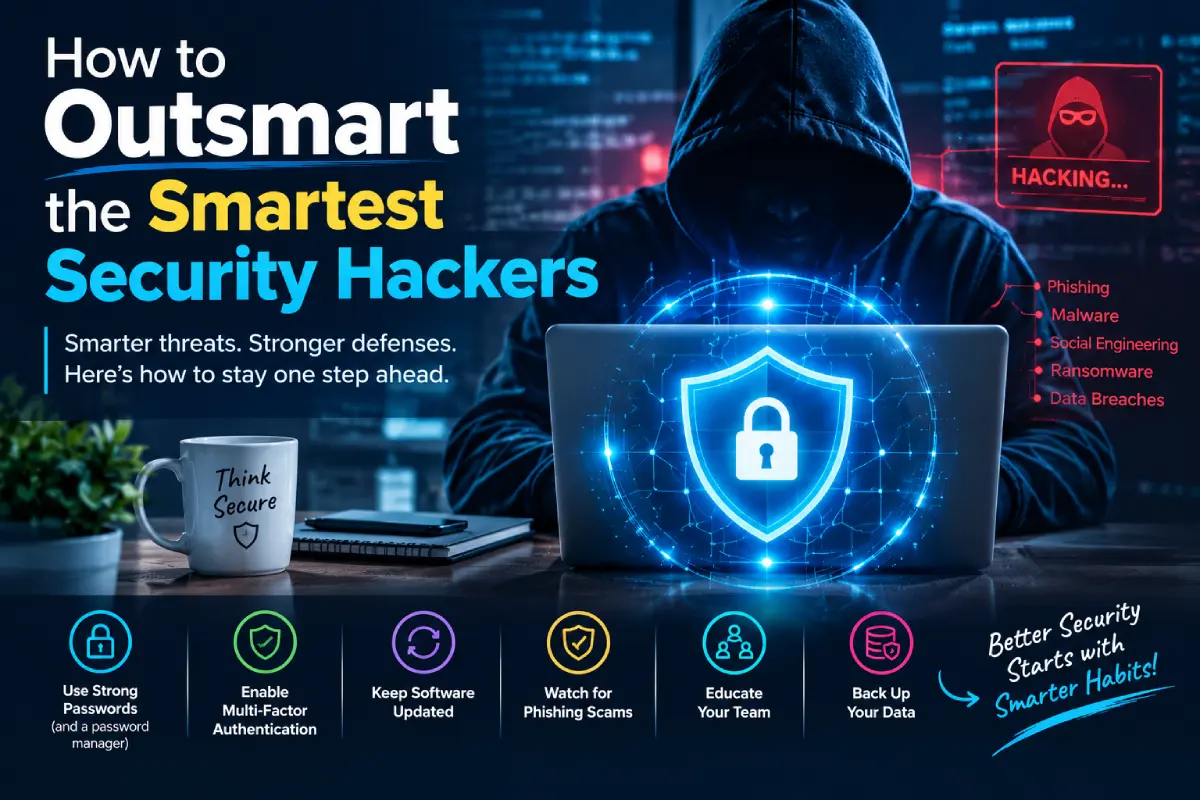
Cybercriminals are becoming increasingly sophisticated, using advanced techniques to exploit weaknesses in business networks, steal confidential information, and disrupt operations. As technology evolves, even organizations with established security measures can find themselves vulnerable to emerging threats.
However, protecting a business doesn’t necessarily mean having to outthink every hacker individually. Instead, organizations should focus on developing security strategies that make unauthorized access more difficult, identify suspicious activity, and minimize potential damage.
Adopt a Zero Trust Approach
Traditional cybersecurity strategies often focus on protecting the boundaries of a business network. However, once attackers gain access, they may be able to move between connected systems. Zero Trust security addresses this problem by requiring users and devices to meet specific security conditions before accessing protected resources.
Businesses can strengthen their defenses through solutions such as SASE cybersecurity, which combines network protection technologies with secure access controls. Secure Access Service Edge (SASE) solutions can help organizations enforce access policies, protect remote connections, and reduce exposure to certain network threats. This approach is particularly valuable for businesses with employees accessing company systems from multiple locations.
Recognize the Importance of Human Behavior
Even sophisticated cybersecurity systems can be undermined by simple human mistakes, and hackers know this. They will use social engineering techniques to manipulate employees into revealing passwords, downloading malicious attachments, or visiting fraudulent websites. Phishing emails can appear remarkably convincing, sometimes impersonating trusted colleagues, suppliers, or financial institutions. Not all is lost with this. Regular employee training helps workers recognize suspicious communications and understand how to respond appropriately. Businesses should also establish straightforward reporting procedures so employees can quickly raise concerns about potential security incidents.
Make Authentication More Difficult to Exploit
Stolen credentials are a significant cybersecurity concern. If attackers obtain an employee’s password, they may attempt to access business applications, confidential documents, or administrative systems in the hope that they have used the same password for all logins. The simple solution to stopping this is to keep your passwords diverse enough. Multifactor authentication also provides additional protection by requiring another form of identity verification.
Organizations should also discourage credential sharing and review account permissions regularly. Restricting administrative privileges, for example, can further limit the damage caused by compromised accounts.
Keep Software and Systems Updated
Cybercriminals frequently search for vulnerabilities in outdated software. When security patches become available, delaying installation can leave systems exposed to known weaknesses. Businesses should establish consistent procedures for updating operating systems, applications, and network equipment. Regular vulnerability assessments can also help identify security gaps before attackers exploit them. Maintaining secure backups provides additional protection if an attack disrupts operations or compromises important information.
Prepare for Attacks Before They Happen
No cybersecurity strategy can guarantee complete protection against every possible attack. Organizations should develop incident response plans outlining how employees should respond when suspicious activity is detected. These plans should identify responsibilities, communication procedures, and recovery priorities. Regular security testing can help businesses evaluate whether their existing defenses remain effective.
Staying Ahead of Cybercriminals
Outsmarting sophisticated hackers requires preparation, awareness, and a willingness to adapt. The objective isn’t to predict every attack but to build resilient systems capable of preventing, detecting, and responding to cybersecurity threats.